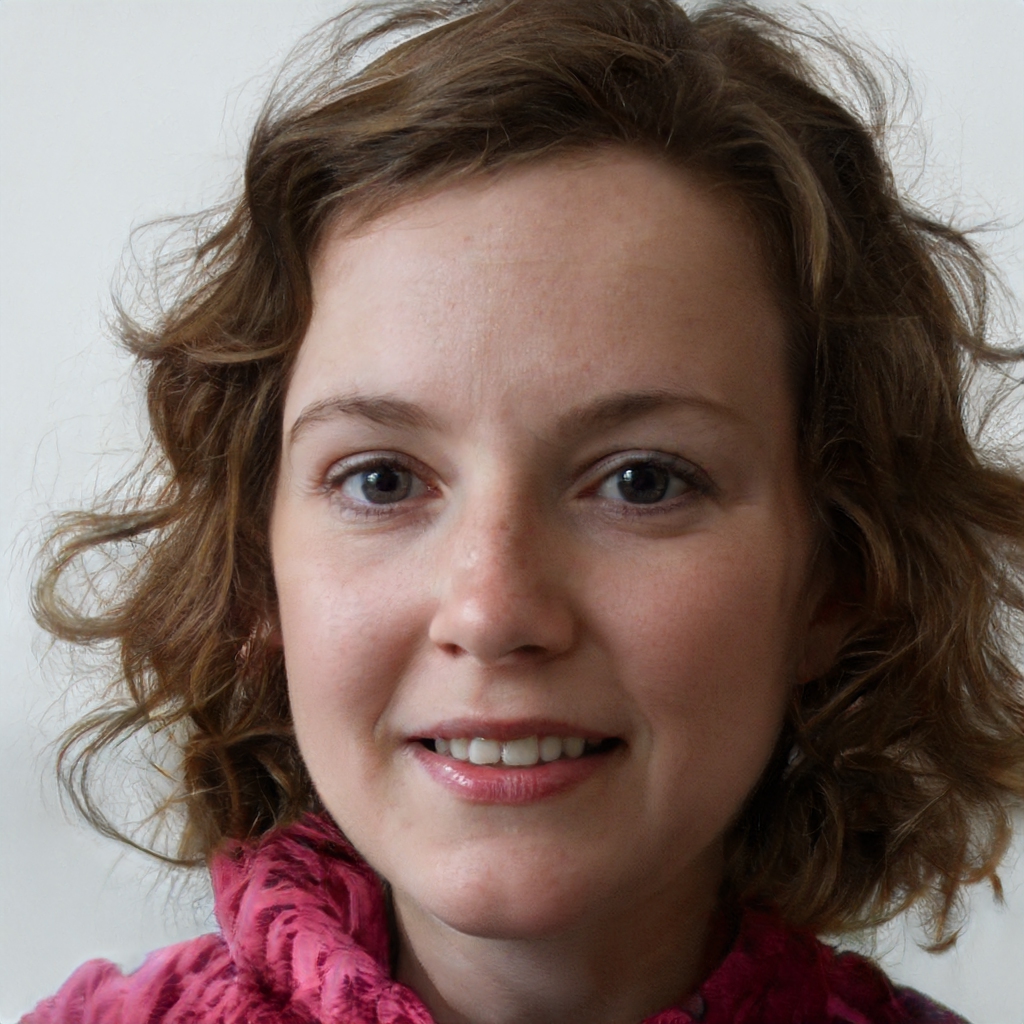
I met Clarissa at the December 19 City Hall meeting, and today, she’s here to speak on her thoughts on housing in Aurora in general through her experiences.
Good afternoon. Thank you for taking the time to speak with us today. Could you start by sharing a bit about your current housing situation in Aurora, Illinois?
Sure, thank you for having me. It’s been quite a journey. Currently, I live in a two-bedroom apartment with my two kids. It’s in one of the more affordable areas of Aurora, but “affordable” is a term I’d use loosely here. The rent takes up more than half of my monthly income, which really stretches our budget to its limits.
And how has this situation impacted your family’s daily life and well-being?
It’s been tough, to say the least. Every day feels like a balancing act. After paying rent, we’re left with very little for other essentials. There have been times when I’ve had to choose between paying for utilities or buying groceries. It affects everything – my kids’ nutrition, our ability to afford healthcare, even their education. We’ve moved a couple of times to find cheaper rent, which has meant they’ve had to change schools. It’s a lot of instability for them.
The instability must be hard on your children. Have you sought any assistance from local government or non-governmental organizations?
Yes, I’ve reached out to a few places. There are programs out there, but it’s either a long waiting list or we barely miss the eligibility criteria. I applied for Section 8 housing assistance, but I was told the waiting list could be several years long. There are some local charities that have helped with food and school supplies, which has been a blessing. But when it comes to stable, long-term housing solutions, it feels like we’re on our own.
It’s disheartening to hear how long some of these waiting lists can be. In your view, what changes could be made at the local level to address these issues more effectively?
I think a big part of the problem is awareness and funding. There needs to be more awareness about the severity of the housing crisis here in Aurora. With more awareness, hopefully, there would be more funding directed toward affordable housing projects. Also, the criteria for assistance programs need to be reevaluated. It feels like they’re designed for a different era. The cost of living has risen so much, but the thresholds for these programs haven’t kept up.
Speaking of the housing crisis, have you noticed any changes in your community due to these issues?
Absolutely. You can see the strain it puts on families. There’s a lot more tension, and I’ve noticed an increase in crime in some of the more affordable areas. It’s like a domino effect. Housing instability leads to educational disruptions for kids, which then affects their future. It’s a cycle that’s hard to break. And with more people struggling to make rent, there’s a noticeable increase in evictions, which just adds to the instability.
The cycle of housing instability and its effects on communities is indeed troubling. Have you participated in or observed any community organizing or advocacy efforts aimed at addressing these issues?
I’ve attended a few community meetings. There’s a growing movement here of people coming together to demand change. We’ve been organizing with local housing rights groups to push for policies that protect renters, like just-cause eviction laws and rent control measures. There’s a sense of solidarity, which is empowering. We’re also advocating for the expansion of housing assistance programs and for the city to invest in affordable housing developments.
That’s an inspiring response to such a difficult situation. On a personal level, how do you find the strength to keep advocating for change amidst these challenges?
It’s not easy, but when I look at my kids, I know I have to keep fighting for a better future for them. The community support has been incredible too. Knowing you’re not alone in this struggle makes a big difference. We share resources, advice, and sometimes just lend an ear to each other. It’s that sense of community that keeps me going. Plus, I hold onto the hope that if we make enough noise, change will come. It has to.
Your resilience and determination are truly admirable. Lastly, what message would you like to send to those who are in a position to make changes to housing policies?
My message would be: Please, don’t forget about us. We’re not just statistics; we’re families, children, elderly people who are struggling every day just to have a roof over our heads. Affordable housing should be a right, not a privilege. It’s time to invest in solutions that address the root causes of this crisis, not just band-aid fixes. We need policies that reflect the realities of today’s economy and provide real opportunities for stability and growth. Please, help us build a future where everyone has access to a safe, affordable home.
Interviewer: Thank you so much for sharing your story and insights with us. Your perspective sheds light on the critical issues facing many families in Aurora and highlights the urgent need for action. Let’s hope your message reaches those who can make a difference.
Thank you for giving me the opportunity to speak out. It’s conversations like these that can spark change.
 Aurora Housing Observer
Leave a comment