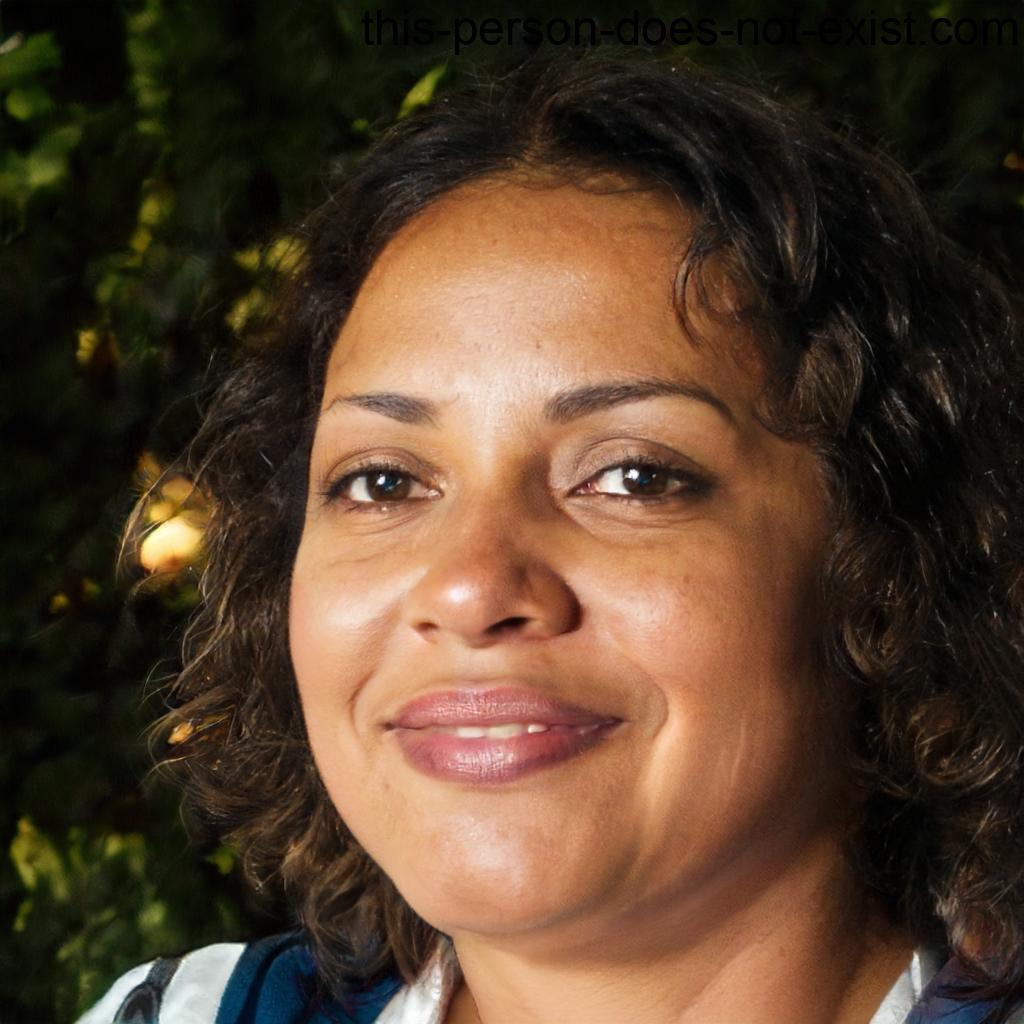
This is Jamila’s first appearance on the AHO. After meeting at the recent January 23 City Council meeting, Jamila and I sat down to expand on her perspective regarding on the correlation between unequal education opportunities and low-income housing in Aurora.
This conversation was condensed for clarity.
Welcome, and thank you for joining us today. Our discussion centers around a critical yet often under-explored facet of Aurora’s housing crisis: the intersection of housing instability and educational outcomes for children. Can you begin by sharing how this issue has touched your life or the community around you?
Thank you for having me. This issue hits very close to home for me and has had a profound impact on my family. A few years back, we were living in a situation of housing instability, moving frequently due to rising rents and the pursuit of affordable living spaces. This instability meant my children had to change schools multiple times over a short period. The disruption in their education was evident; their academic performance suffered, and the constant change took a toll on their emotional well-being and ability to form lasting friendships. Watching them struggle was heart-wrenching and underscored how deeply housing stability is linked to a child’s educational journey and overall development.
That sounds incredibly challenging. How widespread is this issue within Aurora, and what are its broader implications for the community?
Unfortunately, this issue is far more common than many realize. In Aurora, the housing crisis has exacerbated conditions leading to frequent moves for many families, impacting children across the city. The broader implications are significant—educational disruption hampers children’s learning and development, potentially leading to long-term academic and social challenges. Schools also feel the impact, as high turnover rates among students can strain resources and hinder the ability to provide consistent support. The ripple effects touch every corner of the community, underscoring the urgent need for stable housing as a foundation for educational success and healthy development.
It’s clear the stakes are high. Have there been any initiatives or discussions at the city level to address the link between housing instability and educational outcomes?
There have been some promising discussions and initiatives aimed at addressing this critical link. For example, Aurora has seen efforts to integrate housing policies with educational planning, recognizing that stable housing is a key determinant of educational success. Some initiatives focus on providing targeted support to families facing housing instability, such as school-based housing assistance programs and partnerships with local nonprofits to offer resources and support. Additionally, there’s been a push for policies that prioritize affordable housing development near schools to minimize disruption for children. While these efforts represent steps in the right direction, the challenge remains substantial, and ongoing commitment and innovation are required to effectively address the issue.
The integration of housing and educational support sounds like a crucial strategy. From your perspective, what more needs to be done to support children and families affected by housing instability?
To truly support children and families, a multi-faceted approach is essential. First, we need to significantly increase the availability of affordable, stable housing to reduce the frequency of forced moves. This includes not only building more affordable units but also implementing policies that protect families from eviction and displacement.
Secondly, schools need resources to support students experiencing housing instability, such as counseling services, academic support programs, and after-school activities that provide stability and continuity. Another important step is fostering strong partnerships between schools, housing agencies, and community organizations to create a comprehensive support network for families. Finally, raising awareness about the impact of housing instability on children’s education is crucial to garnering broad-based support for these initiatives.
As we look to the future, what message do you have for policymakers, educators, and the community at large regarding this issue?
My message is one of urgency and collaboration. The link between housing instability and educational outcomes for children is clear and compelling. Addressing this issue requires a concerted effort from all sectors of the community. Policymakers must prioritize and invest in affordable housing solutions and protective policies for families.
Educators and schools should be equipped with the resources and training to support students facing these challenges. And the community at large must recognize the role stable housing plays in the success of our children and our future. Together, we can create a foundation of stability that enables all children in Aurora to thrive academically and emotionally.
Thank you for sharing your insights and for highlighting the critical intersection of housing and education. Your call to action is a powerful reminder of the collective effort needed to address this issue.
Thank you for giving me the opportunity to speak on this important topic. It’s through understanding and addressing the interconnectedness of issues like housing and education that we can hope to build a stronger, more supportive community for every child in Aurora. I remain committed to being part of the solution and encourage others to join in this essential work.
 Aurora Housing Observer
Leave a comment