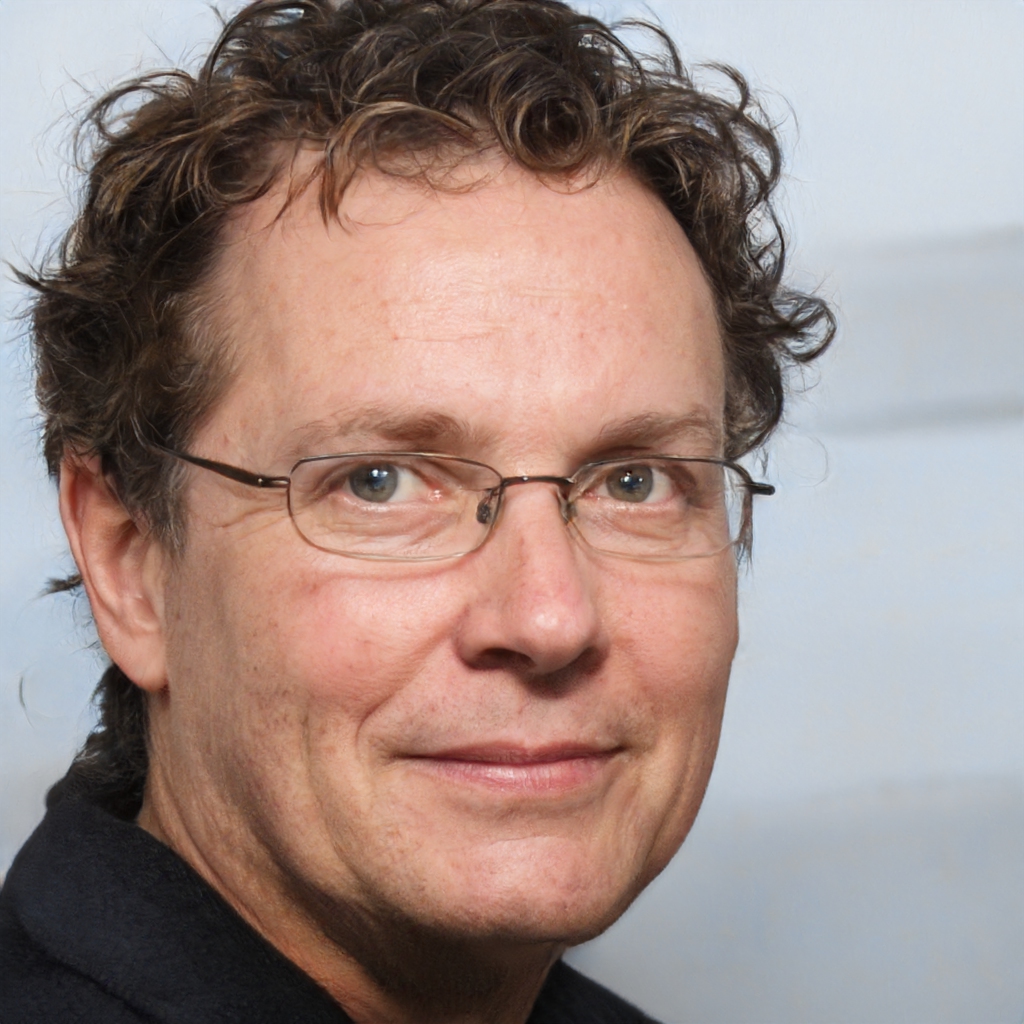
Today, we sit down with Michael Thompson, a 34-year-old resident who has spent several years battling the cycles of homelessness and job insecurity. Michael’s story is not just one of personal struggle but also reflects broader systemic issues that affect countless individuals in similar situations across the nation. Our conversation delves into the complexities of seeking employment without a stable address, the impact of homelessness on job prospects, and the vital role of community support programs.
Michael, thank you for joining us today. To start, could you share a bit about your journey into homelessness?
Thanks for having me. It’s been a tough road, really. I lost my job at a warehouse here in Aurora back in 2018—company downsizing they said. I was living paycheck to paycheck, and without any savings, I just couldn’t keep up with rent. It wasn’t long before I found myself out on the street.
When you first became homeless, what was your initial step towards finding another job?
At first, I thought it would be quick to get back on my feet. I started applying for jobs immediately. But it’s hard, you know? Most applications ask for an address, and not having one… it makes you feel invisible. You’re worried about how you look, where you can print out a CV, even just getting to interviews without bus money.
It sounds like a very isolating experience. How did the lack of a home address specifically impact your job applications?
It’s a huge barrier. Some places won’t even consider you if you can’t fill out every line on an application form. I tried using a friend’s address for a while, but employers get suspicious when your address doesn’t match your ID or you can’t explain why you’re living there. It’s a constant reminder of your situation.
Were there resources in Aurora that helped you during this time?
There are a few nonprofits around that offer some assistance. I got help with resume writing from a local job center, and they had a computer lab which was crucial. But the biggest help was when I found a shelter that offered a job placement program. That kind of targeted support makes a difference—it’s tailored to people in situations like mine.
That program sounds beneficial. Can you share how it specifically helped you stabilize your employment situation?
Sure, the program was great because they understood what someone in my position goes through. They helped me get temporary jobs, which built up my resume again. But more than that, they provided a stable address for a while, and that consistency is key when you’re trying to explain gaps in your employment or why you’re moving jobs frequently.
With these temporary jobs, how did you manage the instability that comes with them?
It’s tough, not knowing how long you’ll have work. Every day you’re thinking about whether you’ll still have a job next week. I had to save every penny I could, and even then, it’s not enough to get a place of your own immediately. It’s like being on a seesaw, trying to balance immediate needs with long-term goals.
How do you feel your experiences with homelessness have influenced your views on the job market and societal support systems?
It’s shown me that there’s a disconnect between what’s available and what’s needed. A lot of programs offer help, but sometimes it feels like they don’t get to the heart of the problem. Job training and resume help are great, but if you don’t have stability in your life, how can you hold down a job? We need systems that address all aspects of homelessness, not just the job part.
Looking forward, what do you believe could be improved in Aurora to help others who are in similar situations as you were?
I think a big part is just recognizing the link between housing stability and employment. Programs that offer both housing and job support are crucial. Also, there needs to be less judgment. Understanding that people who are homeless aren’t there because they want to be—they’re often just victims of circumstance.
Michael, your insights are incredibly valuable and highlight the complexities of homelessness that are often overlooked. Thank you for sharing your story with us today.
Thank you for giving me the opportunity to share. If my story can help even one person, then it’s worth it.
 Aurora Housing Observer
Leave a comment