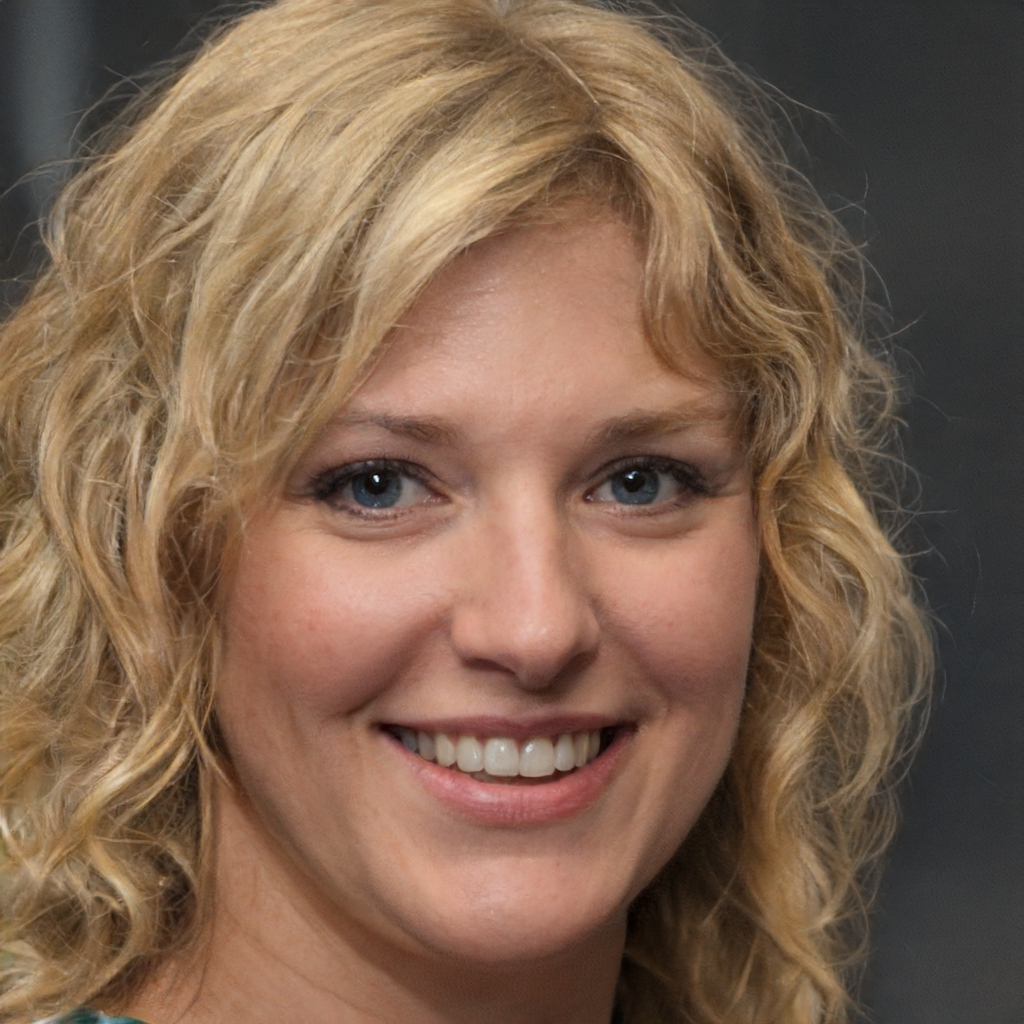
Today, we sit down with Mia, a resident of Aurora, Illinois, who has faced numerous challenges related to affordable housing. As a single mother of three, Mia’s journey through the landscape of eviction, substandard housing conditions, and the fight for tenant rights illuminates the broader systemic issues plaguing many Americans today. This conversation delves into her experiences with eviction, the impact on her children’s education and well-being, and her views on what changes are needed to support families struggling to find stable, affordable housing.
Mia, thank you for sharing your story with us today. To start, could you tell us a bit about your initial experiences with housing instability?
Thank you for having me. Well, it began about five years ago. I was renting a small two-bedroom apartment here in Aurora, and things were fine until I lost my job. Suddenly, I was unable to pay rent on time. Despite my efforts to communicate with my landlord and make partial payments, it wasn’t long before I received an eviction notice.
That sounds incredibly stressful. What happened after you received the eviction notice?
It was a nightmare. We had to leave, and with very little money and almost no time to find a new place, we ended up in a much poorer neighborhood in substandard housing. The conditions were dreadful—mold, unreliable heating, and more. But the worst part was how it affected my kids. They had to switch schools mid-year, which really set them back academically.
How did the eviction impact your children’s education and their well-being?
My eldest started falling behind in school because he couldn’t adjust to the new environment. The younger ones seemed anxious all the time. It’s not just about moving to a new home; it’s the total upheaval of their lives. They lost friends, their routine, their sense of security—all of which are vital for kids.
It’s clear that the ripple effects of eviction are profound. Turning to the legal aspects, did you feel you had any protections or support during the eviction process?
Honestly, not really. I didn’t have the money for a lawyer, and there was no right to counsel in housing court. I felt powerless. The landlord had an attorney, and it seemed like the system was tilted against me from the start.
That lack of support seems to be a critical issue. From your experience, what changes would you suggest to provide better protection for tenants?
First, having legal representation would make a huge difference. Many tenants don’t know their rights or the potential defenses they might have against eviction. Also, strengthening the laws to prevent retaliatory evictions and ensuring landlords keep properties habitable is crucial. No one should have to live in the conditions we lived in.
Shifting focus a bit, you mentioned living in substandard housing. Can you elaborate on the conditions and your struggle to find better housing?
Where do I start? The apartment was in a terrible state—leaks in the ceiling, broken windows, and like I said, mold everywhere. I complained to the landlord, but there was little to no response. Finding a new place was just as hard. With an eviction on my record, many doors were closed to me. Landlords didn’t want to take a chance, even though I was doing everything I could to stabilize our situation.
It’s disheartening to hear how widespread these issues are. Looking forward, what are your hopes for the future regarding housing?
My hope is that we start recognizing the right to decent, stable housing as a basic human right. Policies need to change to make housing more accessible and affordable. Maybe a universal housing voucher system, as some have suggested, to help families like mine not spend most of their income on rent.
Lastly, what message would you want to send to policy makers or the community about the housing struggles families face?
I would say, look at the human side of these policies. We’re not just statistics. We’re families trying to build a good life for our children. Stronger protections and more support for affordable housing would give so many a fighting chance at a better future.
Mia, thank you for your openness and for shedding light on these critical issues. Your resilience is truly inspiring.
Thank you for giving me the chance to share my story. I just hope it can make a difference.
 Aurora Housing Observer
Leave a comment