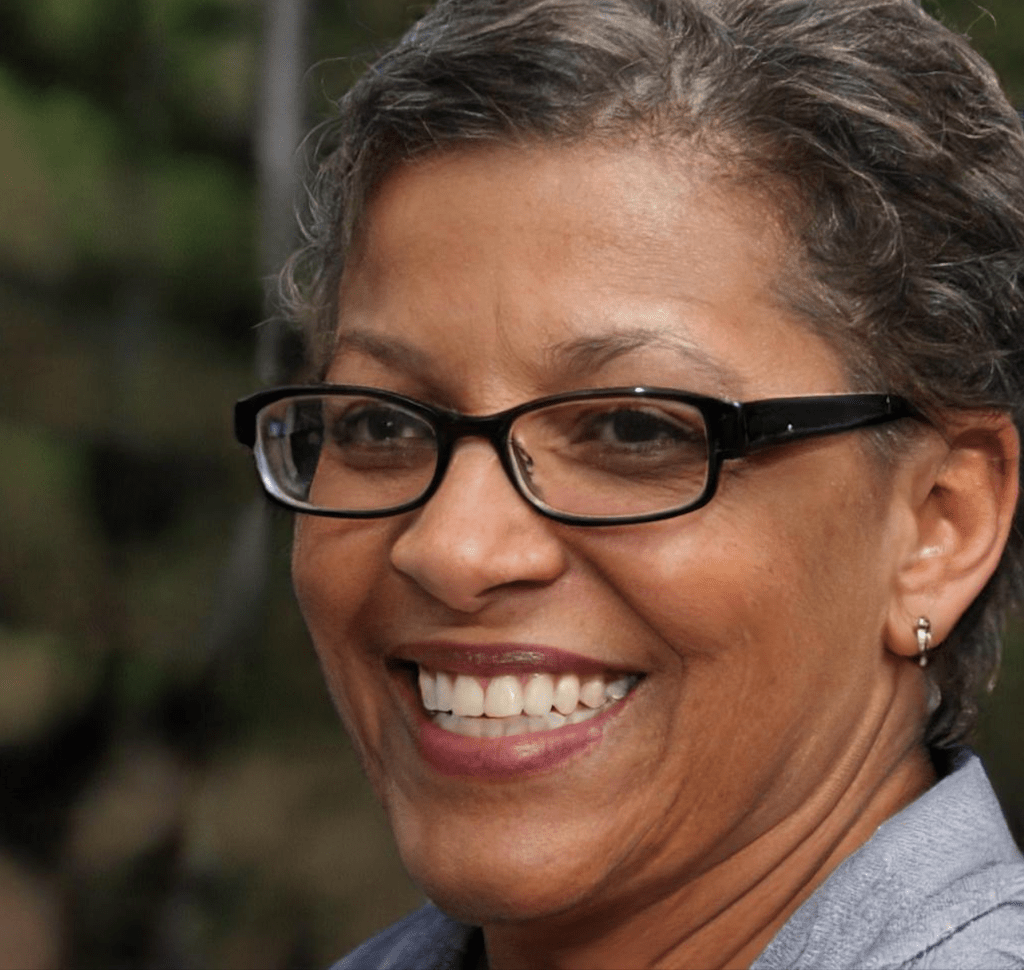
This week, I sat down with Brielle Hernandez, a resilient woman in her late sixties who has seen more than her fair share of life’s hardships. Brielle’s story is one of struggle and redemption, having battled both homelessness and addiction. Her journey through these adversities offers a poignant glimpse into the challenges faced by many in similar circumstances. As we talk in her modest yet cozy apartment, Brielle shares her experiences with a candidness that is both heartbreaking and inspiring.
Thank you for taking the time to talk with me today, Brielle. Could you start by telling me a little about your early life here in Aurora?
Of course. I was born and raised in Aurora. It was a different city back then, not as big as it is now. I had a pretty normal childhood, but things started to go downhill in my teenage years. My father left us, and my mother struggled to make ends meet. I guess that’s when I started hanging out with the wrong crowd.
That must have been tough. How did you first become homeless?
It was a gradual slide. I got into drugs pretty early, and that led to a lot of bad decisions. I dropped out of school and started living on the streets. At first, I thought I could handle it, you know, but it’s a dangerous and unpredictable life. I was in and out of shelters, but they were always full. There were times when I’d sleep in abandoned buildings or even under bridges.
That sounds incredibly difficult. What role did addiction play during this time?
Addiction was a huge part of it. When you’re addicted, nothing else matters. Finding the next fix becomes your only goal, and everything else falls apart. I lost touch with my family, my friends, everyone who ever cared about me. The drugs numbed the pain, but they also made everything worse.
How did you manage to turn things around?
It wasn’t easy. I had a lot of false starts. I’d go to rehab, get clean for a while, and then relapse. It wasn’t until I met a counselor who really understood what I was going through that things began to change. She didn’t judge me. Instead, she helped me see that I was worth saving. I started attending NA (Narcotics Anonymous) meetings regularly and found a support system that really helped.
That’s amazing. What were some of the biggest challenges you faced in getting back on your feet?
Finding stable housing was a huge challenge. Even when I was clean, nobody wanted to rent to someone with my history. I must have applied to dozens of places. Finally, a local charity that helps people like me got involved. They helped me find this apartment and even assisted with the deposit and first month’s rent. Without them, I don’t know where I’d be.
How has having stable housing affected your life?
It’s been life-changing. When you have a place to call home, everything else starts to fall into place. I could focus on staying clean and getting my life together. I went back to school and got my GED. I even started volunteering at the same charity that helped me. It’s my way of giving back and helping others who are in the same position I was in.
What are some of the challenges you still face today?
Living on a fixed income is tough. I rely on Social Security and some assistance from local programs, but it’s always tight. The cost of living keeps going up, and sometimes I have to choose between paying for my medications and buying groceries. It’s a constant balancing act, but at least I’m not on the streets anymore.
Do you think the local government and community services are doing enough to help people in situations like yours?
They’ve gotten better, but there’s still a long way to go. There needs to be more affordable housing and better support for people coming out of rehab. The shelters are always full, and the waiting lists for housing are way too long. There are so many people out there who need help and aren’t getting it.
What advice would you give to someone who is currently homeless and struggling with addiction?
Never give up. It sounds cliché, but it’s true. There were so many times I wanted to throw in the towel, but I kept pushing forward. Find a support system, whether it’s friends, family, or a group like NA. And don’t be afraid to ask for help. There are people out there who care and who want to see you succeed.
Thank you, Brielle. Your story is incredibly powerful and inspiring. Is there anything else you’d like to share with our readers?
Just that everyone deserves a second chance. It doesn’t matter how far you’ve fallen; you can always climb back up. It takes time, effort, and a lot of support, but it’s possible. I’m living proof of that.
 Aurora Housing Observer
Leave a comment